
Tooth Colored Fillings: Compare Them to Silver Fillings with Confidence
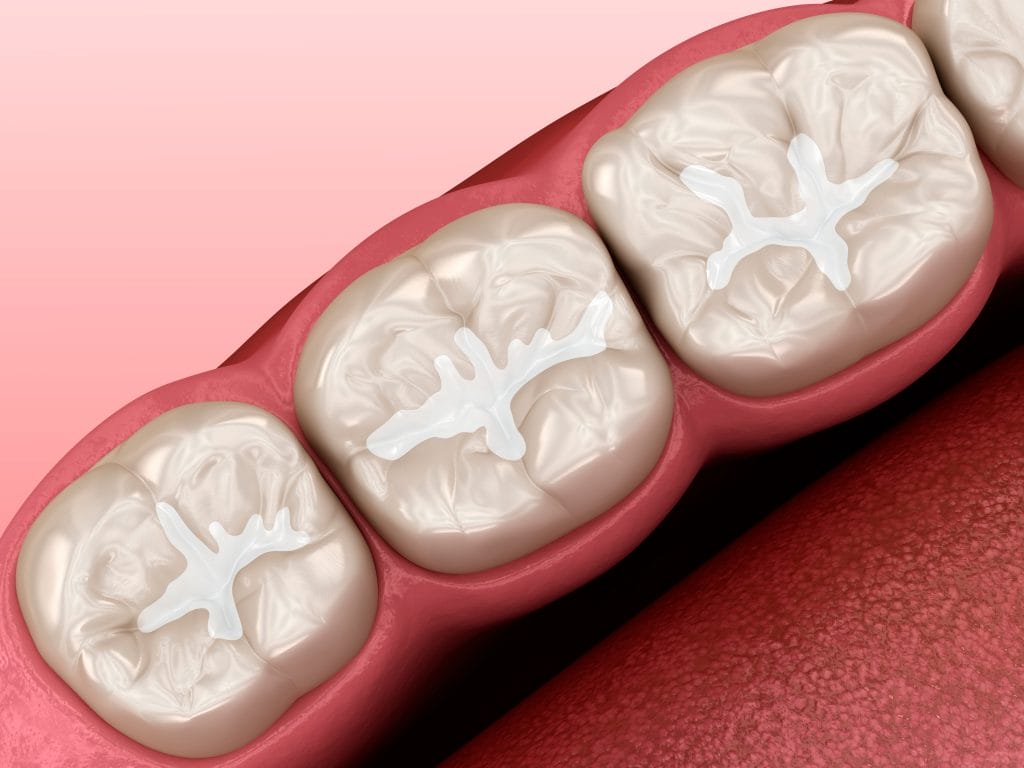
If you have a cavity or an older filling that needs attention, you may be wondering which option is best for you. Choosing a dental filling can feel surprisingly personal, especially when considering your smile, comfort, and the longevity of your dental work.
At Worthington Dental Group, we keep the conversation clear and judgment-free. No matter how long it’s been since your last checkup, we’re here to help you move forward at a pace that feels manageable. We offer many dental restorations as part of our restorative and cosmetic dentistry care, so you can get answers and treatment options without unnecessary referrals.
What Are Tooth Fillings, and Why Do You Need Them?
Tooth fillings are a common dental treatment used to repair tooth decay and protect a healthy tooth structure from further damage. When a cavity forms, that part of the tooth becomes weakened, and untreated cavities can grow larger, increasing the risk of further decay, sensitivity, or even infection.
A well-placed dental filling restores the shape of the tooth, supports natural teeth during chewing, and helps you keep your natural tooth structure longer. It can also make brushing and flossing easier, which supports good oral hygiene and lowers your risk of gum disease.
What’s the Difference Between Tooth-Colored Fillings and Silver Amalgam?
The core difference comes down to filling material and how it interacts with your tooth structure over time. Tooth-colored options are typically composite resin fillings, designed to blend with your natural tooth color for a natural appearance. Silver fillings are generally silver amalgam fillings, a traditional material made from a mixture of metals.
Both types of fillings can be appropriate in the right situation. The best fit depends on the type of dental filling you need, whether the cavity is on front teeth or back teeth, how much natural tooth structure remains, and what matters most to you aesthetically and functionally.
What Are “Silver Fillings” Made Of?
Silver fillings are usually dental amalgam fillings. The components of dental amalgam include a blend of metals, which is why you may also hear them described as traditional metal fillings. People often associate them with older dentistry because many patients grew up seeing that traditional silver look in the back of the mouth.
You might also come across questions about mercury vapor or the use of amalgam in dentistry. The American Dental Association has long discussed dental amalgam as a filling material option, and your dentist can help you understand current guidance and how it applies to your personal situation.
What Are Tooth-Colored (Composite) Fillings Made Of?
Tooth-colored fillings are typically made from composite materials. Many patients hear “composite resin” and worry it sounds complicated, but it simply refers to a strong, moldable material that can be shaded to match your natural tooth color. The composition of composite fillings supports a more seamless look, especially in visible areas like the front of the mouth.
Composite resin fillings also bond to the tooth with a bonding agent, which can help support the remaining tooth structure. This is one reason composite restorations are often considered a conservative option in restorative dentistry.
Which Looks More Natural for Front Teeth and Visible Areas?
If your cavity or old filling is on front teeth, the aesthetic appeal of tooth-colored materials is often a major reason patients choose them. Because composite fillings can be matched to your natural tooth color, they can blend into natural teeth in a way that feels more like you.
Silver amalgam can be noticeable in visible areas, and some patients simply do not like how it shows when they smile. If appearance is part of your goal, Worthington Dental Group can talk through cosmetic dentistry-focused options that keep your smile looking natural while still protecting your dental health.
Which Is Stronger for Back Teeth?
Back teeth handle heavy chewing forces and frequent temperature changes. Silver amalgam has traditionally been considered durable for larger restorations in the back of the mouth, which is why so many older cavity fillings were placed there.
Composite resin is also widely used for back teeth today, and modern techniques can create strong results when the case is right. The best choice depends on the size of the cavity, how much of the tooth is missing, bite patterns, and the condition of the surrounding tooth structure.
Do Tooth-Colored Fillings Require a Different Filling Process?
Yes, the filling process can be a little different, mostly because composite resin is placed in layers and then hardened. During your office visit, we focus on comfort first, which may include local anesthetic. If you feel anxious about dental care, talk to our team so we can discuss ways to keep your appointment tailored to your comfort.
Here is what many patients can expect with composite resin fillings:
- The tooth is gently numbed with local anesthetic so you stay comfortable.
- Tooth decay is removed, and the tooth is cleaned and prepared.
- A bonding agent is applied to help the composite resin attach to the natural tooth.
- The composite resin material is placed and shaped to rebuild the part of the tooth that was damaged.
- A curing light hardens the material, and the bite is adjusted and polished.
Silver amalgam fillings can be placed more quickly in some situations, but both types still require careful shaping so your bite feels natural.
Are Tooth-Colored Fillings Safe and Long-Lasting?
Many patients want reassurance that tooth-colored fillings are a dependable choice, not only a cosmetic upgrade. Composite materials are widely used and can last many years with proper care, good oral hygiene, and regular checkups. Like any dental restorations, longevity depends on factors like the size of the filling, where it sits on the tooth, and your oral hygiene habits.
Silver amalgam fillings can also last a long time, particularly in larger restorations, but they do not blend with your natural tooth structure and may be more noticeable. If you already have older silver fillings, your dentist can help you decide whether they should stay in place, be monitored, or be replaced based on cracks, wear, recurrent decay, or other concerns.
How Do You Choose Between the Types of Fillings?
You deserve a recommendation that fits your mouth and your life, not a one-size-fits-all answer. In a supportive exam and assessment visit, your dentist will look at how much tooth structure is affected, whether the cavity is near the gumline, and what you need from your dental treatment. From there, you can talk through treatment options in a way that respects your budget, timeline, and comfort.
Composite resin fillings often make sense when you want a natural appearance, especially for front teeth and visible areas, or when preserving natural tooth structure is a priority. Silver amalgam fillings may be considered when a restoration is large, the tooth is under heavy force, or moisture control is difficult.
Can You Replace Old Silver Fillings with Tooth-Colored Fillings?
Many patients ask about replacing older metal fillings because they want a more natural tooth color or they are concerned about the look of traditional silver. In some cases, replacement may also be recommended if a filling is failing, if there is staining around it, or if new tooth decay is forming near the edges.
If your silver fillings are stable and your tooth is healthy, your dentist may recommend monitoring instead of rushing into changes. That conversation should always feel calm and practical. We’re here to help you make a decision you feel good about, without judgment or pressure.
How Do You Care for Fillings So They Last?
Whether you choose tooth-colored fillings or silver fillings, daily habits make a real difference. Strong dental care at home supports the tooth fillings and the surrounding enamel, and it helps prevent new cavities from forming.
Focus on consistent oral hygiene and proper care, including brushing, flossing, and keeping regular hygiene visits. If you grind your teeth at night, ask about protection, since that can affect any type of dental filling. With good oral hygiene, many fillings can stay comfortable and functional for years.
Ready to Choose the Right Filling Without Stress?
If you think you may have tooth decay, sensitivity, or an older filling that needs attention, Worthington Dental Group is here to help you take the next step in a supportive, straightforward way. We will explain your options, recommend what fits your tooth and your goals, and keep your comfort at the center of every decision. Schedule an appointment today so you can protect your smile, restore function, and feel confident about your care.