
Dental Crowns: Benefits, Types, and What to Expect
If you have a tooth that’s cracked, heavily filled, or painful to chew on, you may be wondering whether a crown is the right next step. It’s common to feel unsure, especially if it’s been a while since your last dental visit or if you’ve had a stressful experience in the past. You’re not alone in this.
At Worthington Dental Group, we’re here to help you understand your options clearly and comfortably, without judgment or unnecessary referrals. A crown can be a practical solution that supports your oral health while improving the natural appearance and function of your smile. When you know how the process works, it often feels more manageable and less intimidating.
What are Dental Crowns, and why might you need one?
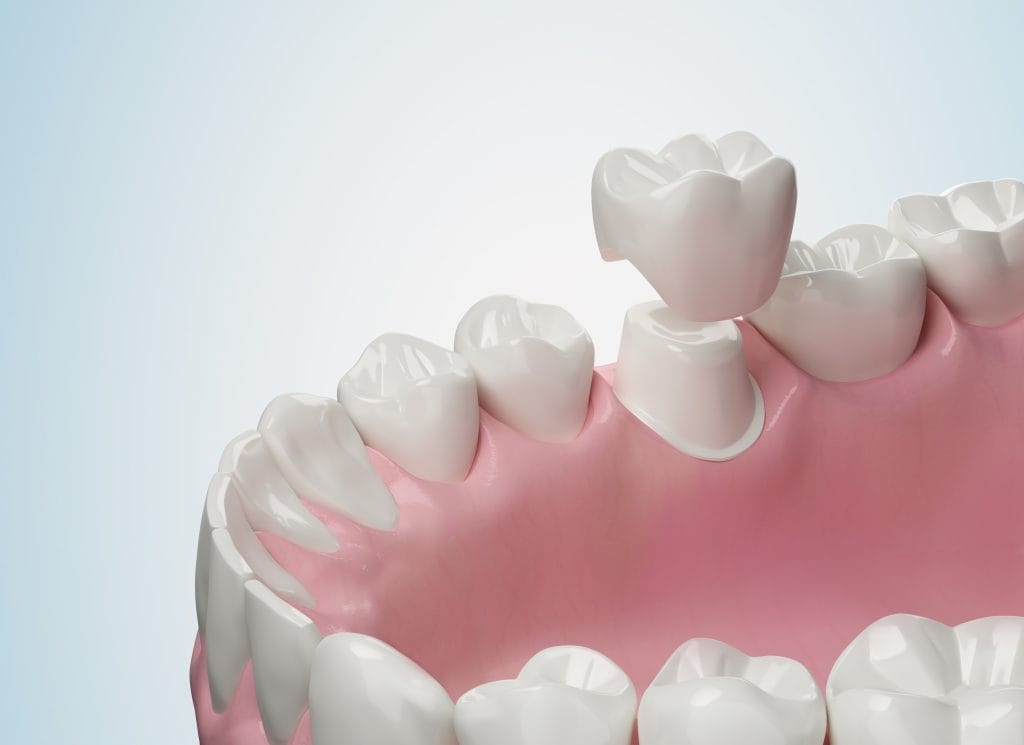
Dental Crowns are custom coverings that fit over an existing tooth to restore strength, shape, and comfort when the tooth structure has been weakened. Think of it as a protective “cap” that helps your tooth handle everyday chewing again, especially on your back teeth where pressure is highest. A dental crown can also improve the appearance of teeth that are worn, misshapen, or discolored.
Crowns are commonly used when tooth decay has progressed, when a damaged tooth has cracks, or when a large filling leaves too little natural tooth to support normal biting forces. They can also protect a tooth after root canal treatment, when the tooth may be more brittle. Your care plan always starts with a thorough examination so you understand what’s happening and why a crown may be the best option.
How does a dental crown protect your natural tooth?
A crown works by fully covering the entire tooth above the gum line, creating a strong outer shell. That coverage helps distribute chewing forces more evenly and reduces the risk of further damage, decay, or a fracture that could lead to tooth loss. If you have a history of clenching, grinding, or biting on hard objects, that extra protection can make a difference in daily comfort.
A well-made crown also supports healthier gums when it’s shaped carefully near the gum line. It makes it easier to keep up with proper care at home, especially when paired with good oral hygiene and regular dental care. The goal is to preserve your natural teeth whenever possible, since keeping your own tooth (even restored) usually supports long-term oral health.
What types of dental crowns are available?
There are several types of dental crowns, and the right type of crown depends on where the tooth is located, how much biting force it takes, your smile goals, and any sensitivities such as metal allergies. Different materials come with different strengths and aesthetics, so your dentist will help you compare options in a way that feels clear and practical.
Porcelain crowns and ceramic crowns are often chosen for their natural look, especially for front teeth. They can be crafted to match the color and translucency of natural teeth, supporting a natural appearance and a confident smile.
Zirconia crowns are a popular choice when you want both durability and a natural appearance. They are often used for back teeth because they handle strong chewing forces well while still blending nicely with the surrounding teeth.
PFM crowns (porcelain fused to metal) combine a metal interior for strength with a tooth-colored outer layer. They can work well in certain restorative dentistry situations, particularly when strength is a top priority and the crown is not in the most visible part of your smile.
Gold crowns and metal crowns (including gold alloy) have a long history in restorative treatment because they are strong and gentle on opposing teeth. They may be recommended in specific cases, especially for back teeth, or when you want a material that holds up well over time.
Resin crowns and composite resin options may be used in some situations, often as a more temporary or budget-friendly approach. Your dentist will explain whether resin crowns fit your needs and what kind of longevity to expect.
What happens at the first visit for a crown?
Your first step is a detailed evaluation of the existing tooth. This usually includes checking for tooth decay, cracks, the condition of the gums, and whether the tooth needs additional support. If symptoms suggest infection or nerve damage, your dentist may discuss root canal therapy, since a crown often follows root canal treatment to protect the remaining tooth structure.
During the first visit, the tooth is prepared so the new crown can fit securely. Impressions or digital scans are taken so the dental lab can create a restoration that fits your bite and blends with your natural teeth. You will leave with a temporary crown to protect the area while the permanent crown is being made, helping you chew and smile with less worry in the meantime.
Will the crown appointment hurt?
This is one of the most common worries, and it deserves a calm, straightforward answer. Most patients do well with local anesthetic, and your comfort should be supported throughout the appointment. If dental anxiety has kept you away, Worthington Dental Group offers sedation dentistry options that can be tailored to your comfort, so the process feels manageable, not overwhelming.
You may feel some soreness afterward, especially around the gum line, but it typically improves as the tissue settles. Your dentist will also help you understand what to avoid during the healing period, including hard foods and chewing on hard objects that could loosen a temporary crown.
What happens at the second visit for your permanent crown?
At the second visit, the temporary crown is removed and the new crown is carefully placed. Your dentist checks the fit, your bite, and how the edges sit near the gums. This helps protect the tooth and support comfort when you chew, since even small bite issues can cause soreness over time.
Once everything looks and feels right, the new crown is secured in place. Many patients notice immediate improvement in function, especially if the tooth had sensitivity, cracks, or discomfort with chewing. A well-fitted crown should feel like a natural part of your smile, not something you have to “get used to” for weeks.
How long do dental crowns last, and how do you care for them?
Crowns are designed to be durable, but their lifespan depends on fit, material, and daily habits. Good oral hygiene and routine dental visits help your crown and the surrounding tooth stay healthy, since further decay can still develop at the edge of a crown if plaque builds up. Brushing, flossing, and keeping the gum tissue healthy also reduces the risk of gum disease around restored teeth.
Crown care also includes mindful eating habits. Avoid chewing ice and biting down on hard foods that can chip porcelain crowns or ceramic crowns. If you grind your teeth at night, talk with your dentist about protective options so your crown and opposing teeth stay protected.
How do crowns compare to other restorative dentistry options?
Crowns are one of several dental restorations used to repair and protect teeth, and sometimes another restorative treatment fits your needs better. If a tooth is missing, a dental implant may be recommended to replace the root and the visible tooth, supporting strong function and helping prevent shifting. If you have missing teeth in a row, a dental bridge may be considered to restore your bite and support appearance.
If the tooth can be saved with a smaller restoration, your dentist may discuss alternatives. The goal is always to protect your natural tooth when possible, reduce the risk of further damage, and choose a solution that aligns with your comfort, timeline, and budget. Worthington Dental Group provides comprehensive assessment and diagnosis and coordinates your care in one place whenever possible, so you can move forward with less stress.
Why patients appreciate crowns at Worthington Dental Group
Choosing a crown can feel like a big decision, especially if you’ve experienced tooth loss in your family or you’re worried about how your smile will look. You deserve care that feels steady, supportive, and clear. At Worthington Dental Group, your treatment is personalized and explained in plain language, with a focus on restoring comfort in your day-to-day life.
You can also feel reassured knowing many services are provided in-house, streamlining your care and reducing the need to visit multiple dental offices. Whether you need a crown after a root canal, help repairing a damaged tooth, or guidance choosing among different types of dental crowns, you’ll be supported by a friendly staff that takes your concerns seriously.
Ready to talk about a crown without pressure?
No matter how long it’s been, we’re here to help you move forward confidently, without shame or pressure. If you think you may need a dental crown, schedule a consultation so we can take a close look, answer your questions, and map out a plan that fits your goals.
Contact us today to request an appointment today and take the next step toward a healthier, more comfortable smile.